
We get asked about the name more than anything else, so we may as well start there.
Keiki is the Hawaiian word for child. It is what you call the small people in your life, and it carries a warmth the English word never quite reaches. Closer to "the little ones" than to a box you tick on a form.
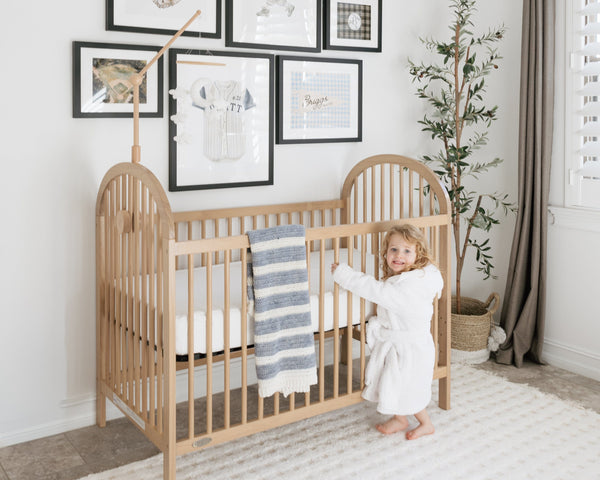
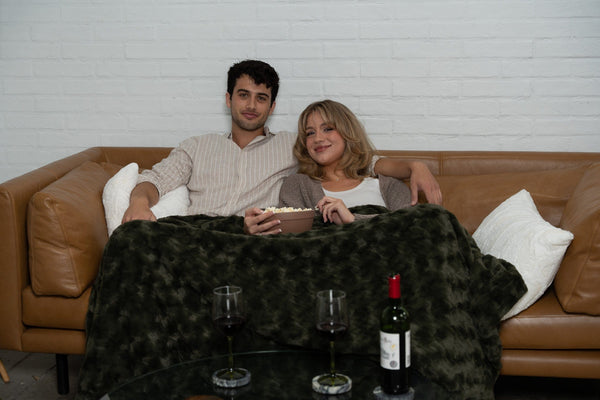
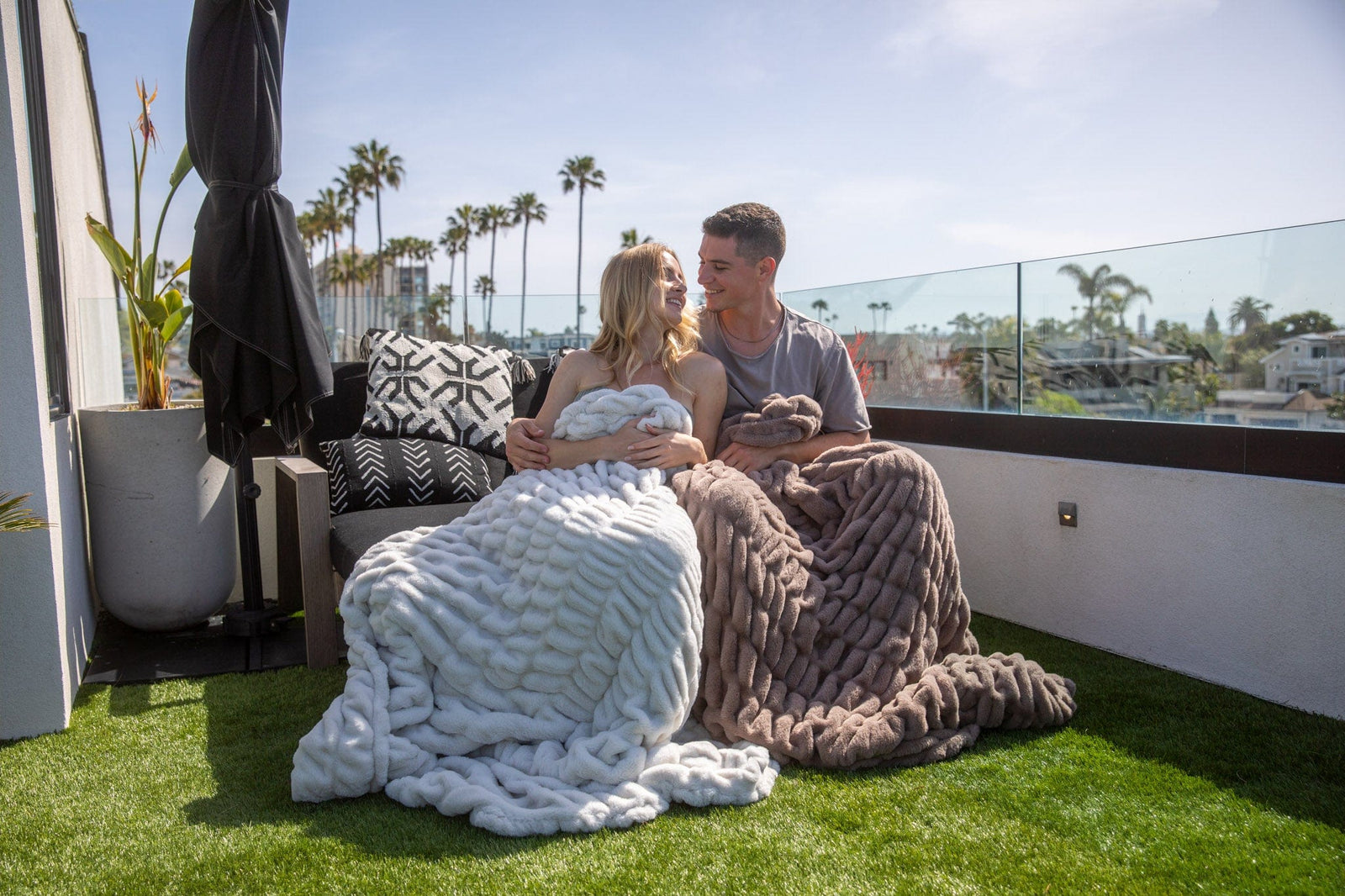
We chose it because the first things we made were for exactly that, the people you tuck in. What we did not anticipate is how fast the grown-ups would take them. The blanket bought for a nursery migrates to the sofa. The one bought for a college dorm reappears on a parent's bed at Christmas, unrepentant. We stopped fighting it and started making everything in adult sizes too.
What we actually decided
A brand story is mostly just a list of decisions. Ours came down to four. None of them are dramatic. All of them cost us something, which is the only reason they are worth writing down.
One: make it in the USA
Everything we sell is made in the United States, and we should be honest that this is the expensive answer. It is not a marketing position. It is a line on a cost sheet that we chose to keep.
What it buys is control and speed. When a batch of fabric comes back with the pile sitting wrong, we can see it, hold it, and reject it in the same week rather than the same quarter. When a colour is not right, it gets fixed before it becomes ten thousand units of not right. Being able to walk into the building where your product is made changes what you are willing to let leave it.
It also keeps our lead times short enough that we can make a small run of a colour and find out whether anyone actually wants it, instead of committing a year ahead and hoping.

Two: it has to be washable
This one sounds small and quietly shaped the entire product line.
A blanket that cannot go in a machine is a blanket that gets protected. It comes off before anyone eats. It is kept away from the dog, the toddler, and the glass of red. It ends up beautiful and unused, which is a failure no matter how soft it is.
So machine washability was non-negotiable from the start, and it constrained everything downstream. The fibres we could use, the way pieces are constructed, the finishes we had to rule out. Some genuinely lovely materials did not survive that filter, and we miss one or two of them.
We still think it was the right trade. The blanket that gets used is the one worth making. It is also why we are so particular about how you wash it. The whole design assumes it is going in the machine, so the small details of that cycle matter more than they otherwise would.
Three: no allergens, no exceptions
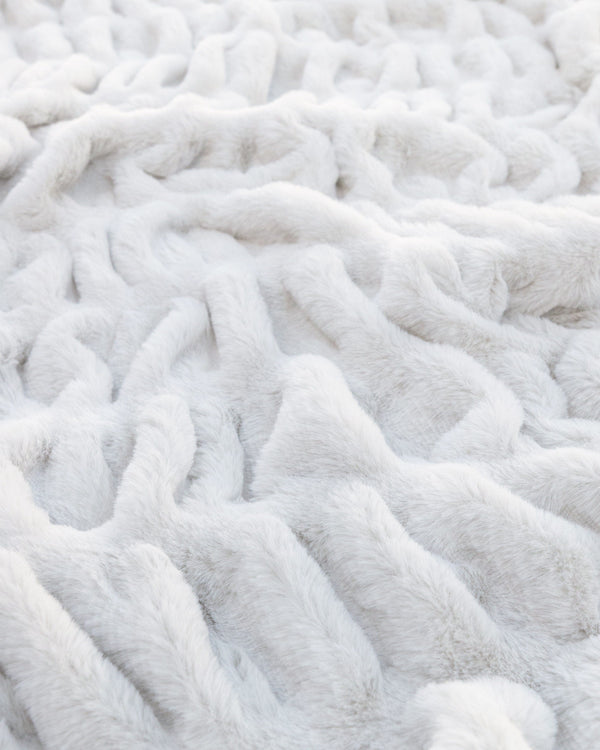
Everything is faux. That started as a values decision and turned out to be a practical one as well.
Real fur and wool are the two things most likely to make a blanket unusable for somebody in the house. A hypoallergenic synthetic means the thing on the sofa works for everyone in the room, including the person who is allergic to the cat and has learned to be cautious around soft furnishings.
It also happens to be what makes the machine-washable decision possible in the first place.
Four: sell the colour, not the swatch grid
This is the most recent decision and the least visible.
For years, buying a Keiki colour meant landing on one product page with a long dropdown of every shade we make. It is how most stores work and it is quietly terrible. The photo shows one colour, the price shows one colour, and you are invited to imagine the rest.
So we pulled them apart. Every colourway now has its own page, its own photograph, its own name, and a row of swatches that takes you straight to any of its siblings. It was months of deeply unglamorous work and no customer will ever notice it directly. They will just find it easier to see what they are buying, which was the entire point.

What family owned actually means here
It means the people who answer your email are the people who chose the fabric. It means there is no committee sitting between a customer saying something is wrong and someone with the authority to fix it.
It also means we are small, and we would rather say that plainly than perform being larger. Some colours sell out and take a while to come back. Some things we would love to make are not viable at our scale yet. When something goes wrong with an order you are not going to get a form letter. You are going to get one of us.
We are a woman-owned business based in Los Angeles, and most of what we know about this category we learned by getting something wrong first.
What has not changed
The test is still the one we started with. We make a thing, we put it in our own houses, and we watch whether it gets used or admired.
Admired is a failure. Used is the whole point. The blanket that lives on the sofa rather than in the closet, that goes to the beach and the airport and the hospital waiting room, that survives the dog and the toddler and comes out of the wash still soft.
That is genuinely all we are trying to make. Everything else on this page is just the arithmetic of getting there.
Shop the Cloud Collection · See every material · Come say hello